Setting the Foundation for Success

Every successful outreach campaign starts with clearly defined objectives that guide every decision along the way. Without these benchmarks, it is easy to lose focus and create materials that do not serve any particular purpose. Organizations that take the time to articulate what they want to accomplish find themselves better equipped to design strategies that deliver tangible outcomes. These goals might range from expanding the customer base to reengaging dormant contacts or simply increasing awareness about recent developments within the company. The process involves looking at past performance data and considering current market conditions to set realistic targets that challenge the team without setting them up for disappointment.
This foundational step also includes assembling the right internal resources and assigning responsibilities so that everyone understands their role in the larger effort. Coordination between marketing, sales, and customer service departments often leads to more cohesive messaging that reinforces the brand identity across all touchpoints. When teams align their efforts early on, they avoid the common pitfall of sending mixed signals that confuse recipients and diminish the overall impact of the initiative.
Understanding Your Audience Deeply
Getting to know the people you intend to reach forms the backbone of any effective communication strategy. This goes far beyond surface level information like age or job title. It requires diving into their daily challenges, aspirations, and the channels they prefer for receiving information. Many companies create detailed personas that represent different segments of their target market, complete with preferences and potential objections they might have. Such preparation allows for the development of messages that feel personally relevant rather than mass produced.
Research methods vary but often include analyzing existing customer data, conducting interviews with current clients, and studying industry trends that affect decision making. The insights gained from this work help predict how different groups might respond to various types of content. This level of understanding helps craft approaches that respect the recipient's time and intelligence, increasing the likelihood of positive engagement that grows into lasting relationships.
Crafting Compelling Messages
The actual content of your outreach can make or break the entire campaign. It needs to grab attention within the first few seconds and maintain interest throughout with a tone that feels authentic. Strong writing combines clarity with creativity, using language that connects on both intellectual and emotional levels while avoiding generic phrases in favor of specific examples that demonstrate real value the recipient can relate to their own situation.
Subject lines deserve special attention because they determine whether the message even gets opened. They should spark interest while accurately representing what follows, building credibility from the start. The body of the message benefits from short paragraphs and a conversational tone that makes reading feel effortless rather than like another item on a to do list. Including subtle social proof can build confidence without coming across as boastful. Every element should lead naturally toward a clear invitation for the recipient to take the next step, whether that means replying, visiting a resource, or scheduling time to talk.
Utilizing Automation Tools Effectively
Technology plays a vital role in scaling outreach without sacrificing quality. An email & marketing automation platform can help manage complex sequences that respond to user behavior in real time. These solutions allow for sophisticated segmentation and personalized content delivery that would be nearly impossible to handle manually at any significant volume. The key lies in configuring these systems with the insights gathered from audience research so that automation enhances rather than replaces the human element that builds trust.
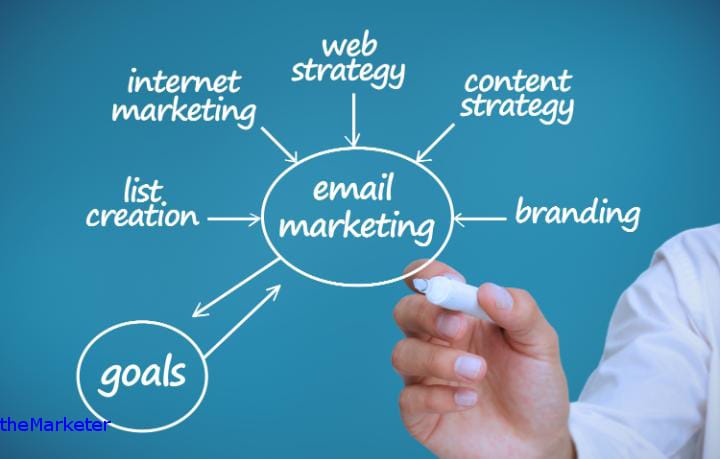
Teams often spend considerable time setting up triggers based on actions like website visits or previous email interactions. This creates seamless experiences where each communication feels like a natural progression in an ongoing dialogue. It is important to monitor these automated flows regularly to ensure they continue serving their intended purpose as circumstances change and new information becomes available about what truly resonates.
Determining Optimal Timing
The question of when to send messages carries more weight than many realize in today's crowded inboxes. Different audiences have different patterns of checking communications and responding to requests based on their unique schedules and pressures. Some industries see higher engagement early in the week while others find better results toward the end of business hours or even during specific seasons. Testing various schedules provides data driven answers specific to your particular contacts rather than relying on general best practices that may not apply.
Follow up communications require even more nuance to strike the perfect balance. Sending reminders too quickly can seem aggressive while waiting too long risks losing momentum entirely. Seasonal factors and current events should also influence timing decisions since external circumstances often affect how people process incoming information and whether they have the mental space to engage thoughtfully. Those who master this aspect of outreach typically see significantly higher response rates across their campaigns and build stronger connections over time.
Tracking and Measuring Results
Evaluation turns good campaigns into great ones by revealing what resonates with audiences and what falls flat despite careful planning. Key performance indicators help paint a complete picture of effectiveness beyond simple open rates that can sometimes mislead. Looking at how recipients interact with different elements within messages provides valuable clues for future improvements and strategic shifts. Advanced tracking tools show the complete journey from initial contact through to final conversion or whatever goal has been established for the particular initiative.
Regular reporting sessions allow teams to discuss findings openly and brainstorm adjustments without defensiveness. This data driven approach removes much of the guesswork from the equation and replaces it with concrete evidence that supports decision making at every level. Over time, patterns emerge that inform not just current efforts but also long term strategy development and resource allocation. The most effective outreach programs treat measurement as an integral part of the process rather than an afterthought completed only when results come in.
Continuously Improving Your Strategy
The work of refining outreach never really ends because markets and people constantly evolve in response to new technologies and shifting priorities. What worked six months ago might not land the same way today as audience expectations change and competitors adapt their own approaches. Successful teams build review cycles into their processes so they can adapt quickly to new information and maintain relevance in a fast moving environment.
Feedback from actual recipients proves especially valuable during this phase whether it comes through direct replies or observed behavior patterns that reveal unspoken preferences. These signals guide meaningful changes that keep initiatives fresh and effective over years rather than months. Collaboration across departments brings different perspectives that often spark innovative ideas for reaching audiences more effectively and creating experiences that stand out. By maintaining this commitment to growth and learning, organizations develop outreach capabilities that strengthen relationships, drive sustainable business results, and create genuine value for everyone involved.